I am excited to bring back the Central Arkansas Spotlight series after a short pause. While this week’s spotlight will resonate especially with horse people, I hope these features continue to offer something interesting to everyone by highlighting the people, businesses, and ideas shaping our region. There are several upcoming interviews I am looking forward to sharing, including visits with Arkansas Asset Builders and Firelight Farms. Please share any suggestions for individuals or organizations you would like to see featured!
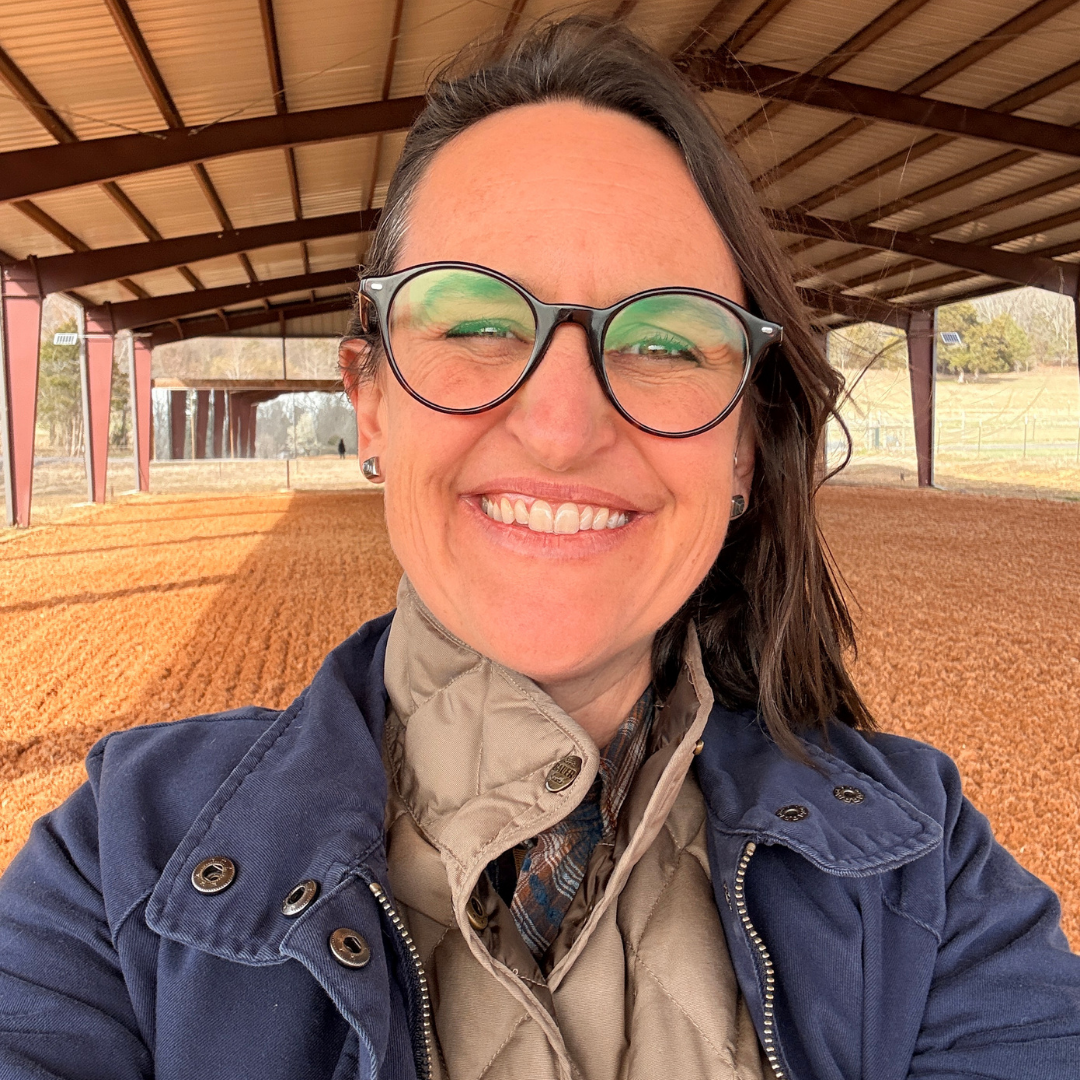
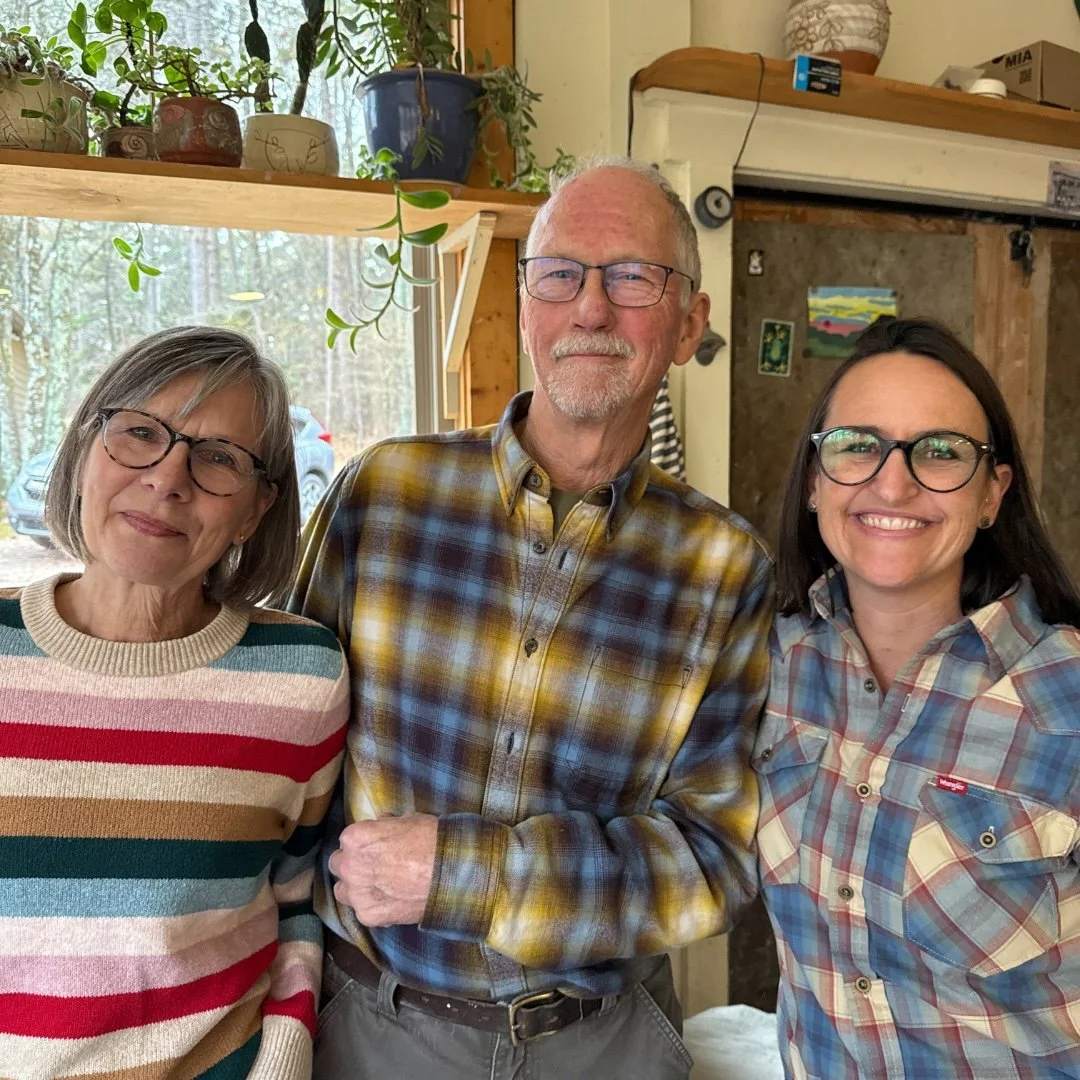
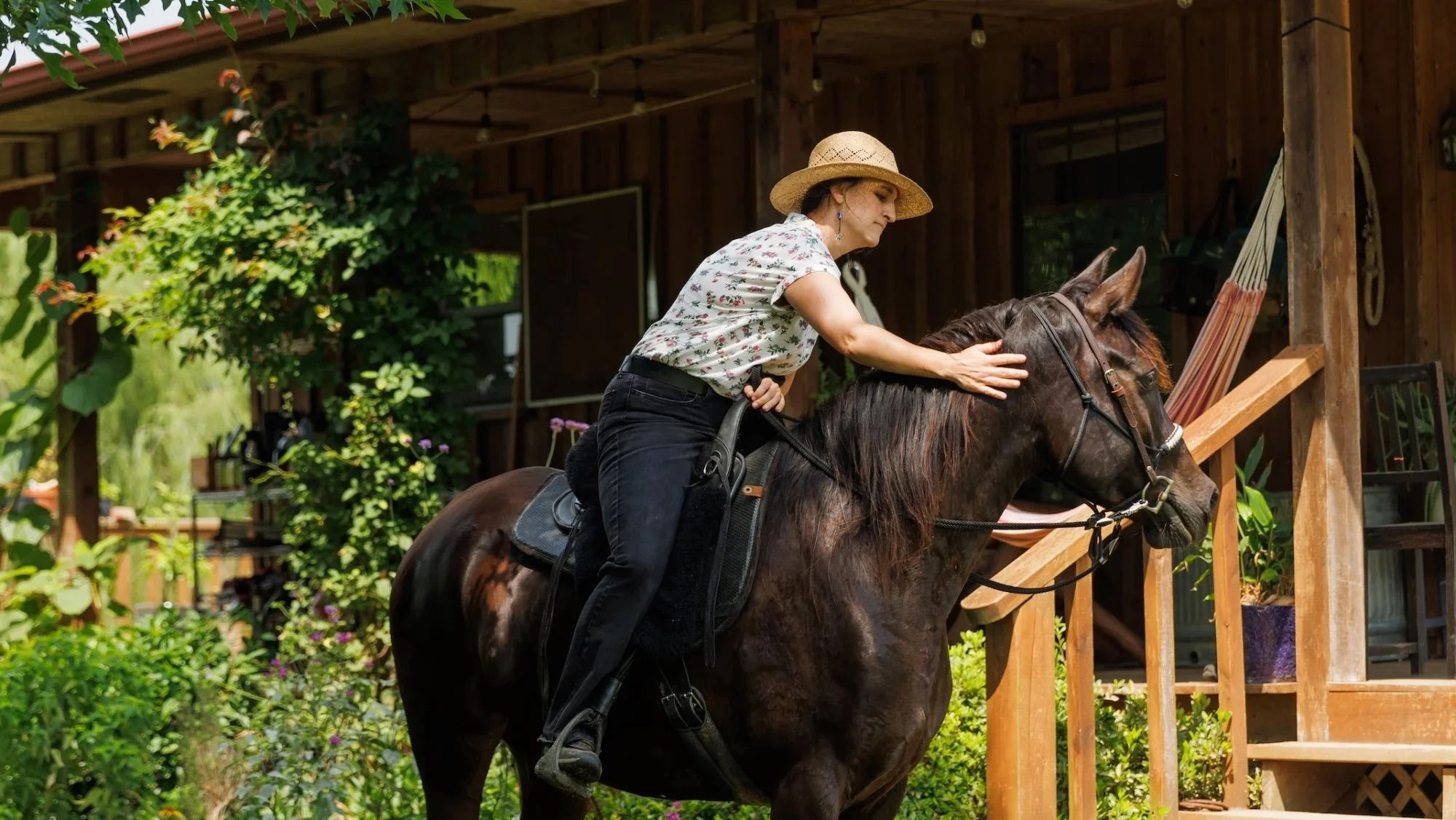
I recently spent time at Eloraleah Equestrian Facility outside of Cabot, Arkansas, speaking with Carole Smith about the development of her arena and training space. Several readers have asked about arena construction and design, and I have also developed a personal interest in the subject, so it felt like a good time to explore it more closely.
When planning an arena, the first consideration is the riding discipline. Different riding styles place different biomechanical pressures on horses. Footing that works well for one discipline may not perform as well for another. For dressage training, Carole selected footing that supports drainage, maintains loft, limits dust, and avoids deep track formation during repetitive movement patterns.
The arena base was constructed above ground level rather than cutting into the hillside. This approach reduces the risk of water flowing downhill into the riding surface, an important consideration in our regional climate. Nearby pond excavation provided fill dirt that was layered to build a foundation rising approximately six feet above the original ground level. Dirt grading and leveling were completed by Kevin Taylor, who is known locally for driveway and parking construction. His experience with surface stability and drainage design helped prepare the arena foundation.
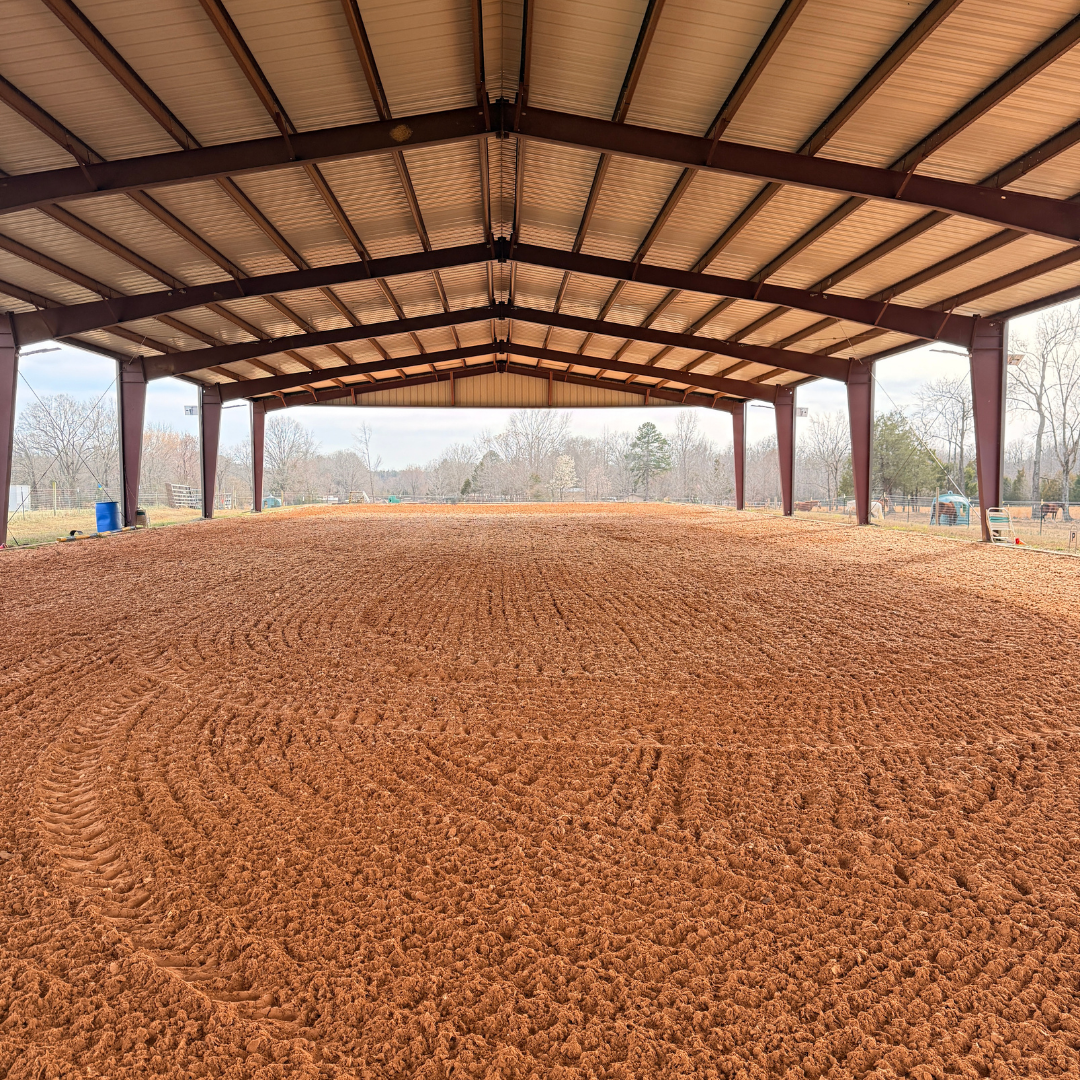
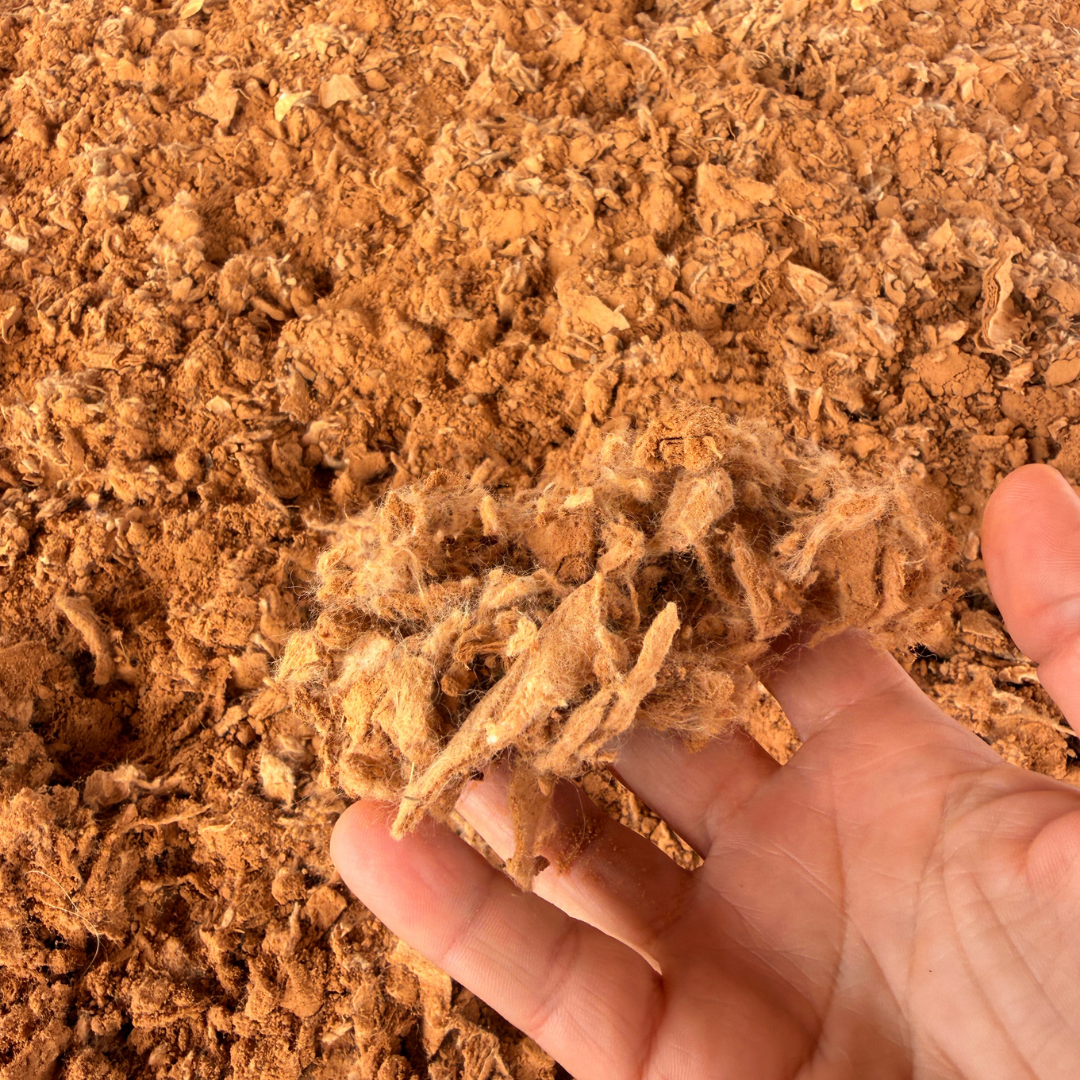
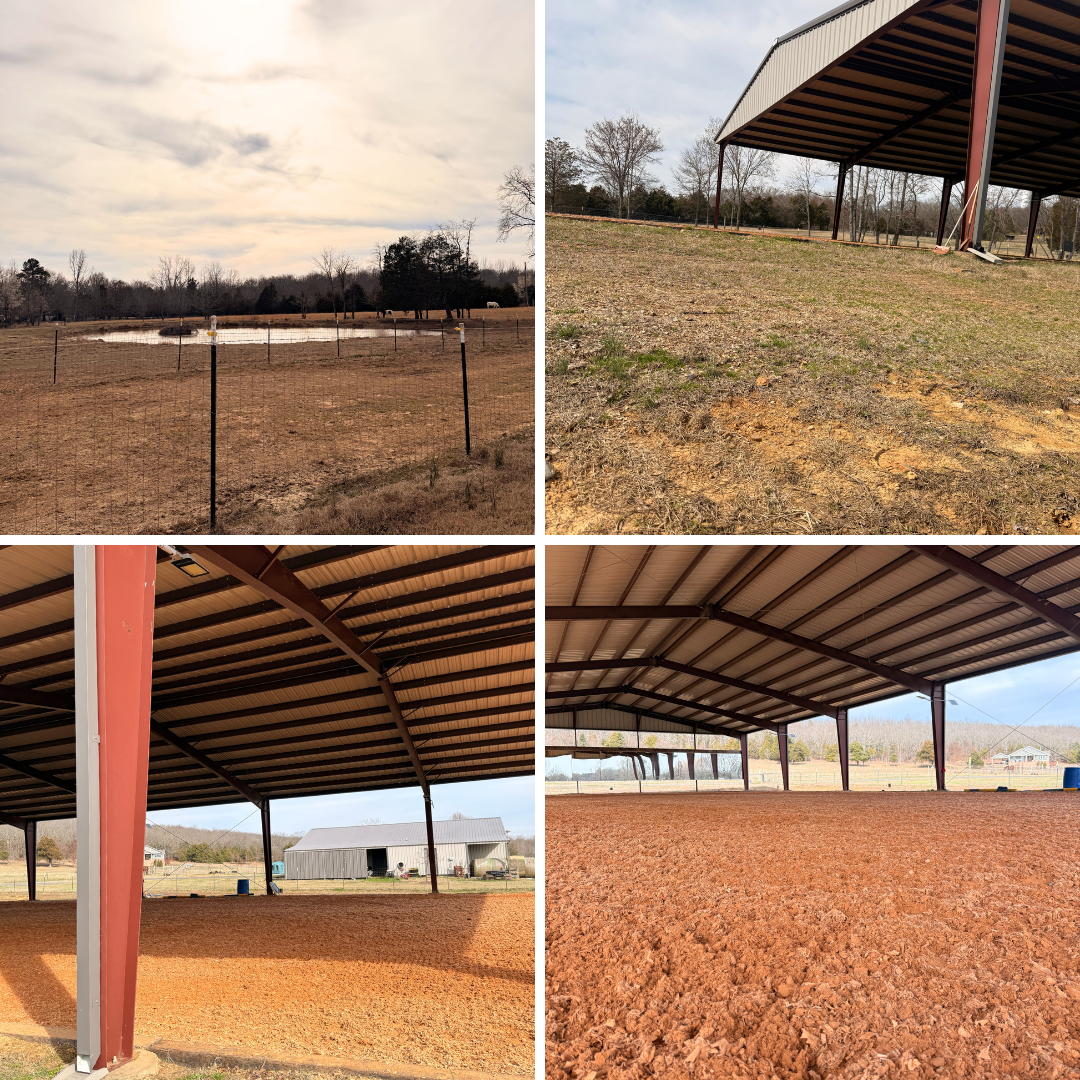
For footing, Carole chose a fiber-blended surface known as TruTex, working with consultant Lyndsey Trockenbrot . The company blends fiber materials with locally sourced footing samples to determine the best performance mix for each climate and riding style. The fiber helps retain moisture longer, reducing dust compared to sand-only or stone-only arenas while maintaining stability without becoming slick or overly compacted.
Railroad tie perimeter borders were installed to help keep footing from migrating down the slope. Portions of the arena were designed as covered riding space while other sections remain open. The open area is often preferred during cooler months when sunlight provides warmth, while the covered portion offers shade during the heat of summer.
The structure itself was built by Stan Goodwin with engineering by Pinnacle Structures. The building orientation runs north–south to reduce wind pressure along the long side of the arena, and gutters were installed to prevent roof runoff from entering the riding surface during rain.
The barn was also designed with north–south airflow in mind. A west-facing door can be closed during winter winds and opened during warmer months, allowing natural ventilation. Barns that allow cross-breezes and consider seasonal wind patterns can be more comfortable for animals and people alike.
For many in the horse community, riding is not simply a hobby but a way of life. There is a quiet dream shared by many of having the right space — a place where horses can be trained, cared for, and worked in an environment that supports both rider and animal. Facilities such as Eloraleah Equestrian Facility reflect that aspiration.
Thank you, Carole, for hosting me — and for the wonderful pizza.
If you are considering building an arena, custom barn, or rural home in Central Arkansas, I maintain a list of experienced local contractors and am happy to share recommendations based on your project goals.
Melissa Cowper-Smith
Keller Williams Realty Central
Cell: 501-722-7763 | Office: 501-907-5959
Keller Williams Realty Central
Eloraleah Equestrian Facility
Phone 870-615-4677
Email eloraleah@gmail.com